Management Portal
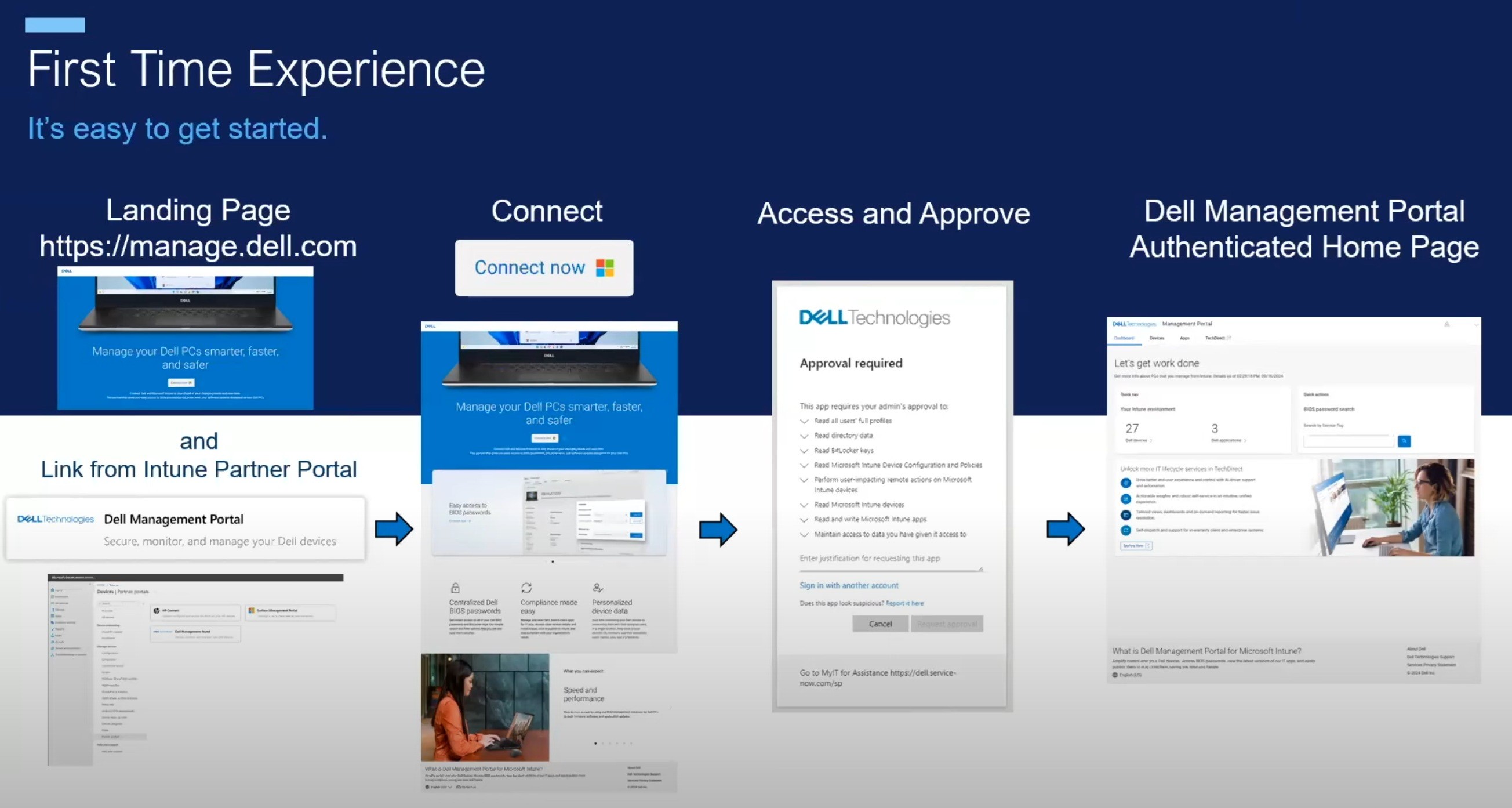
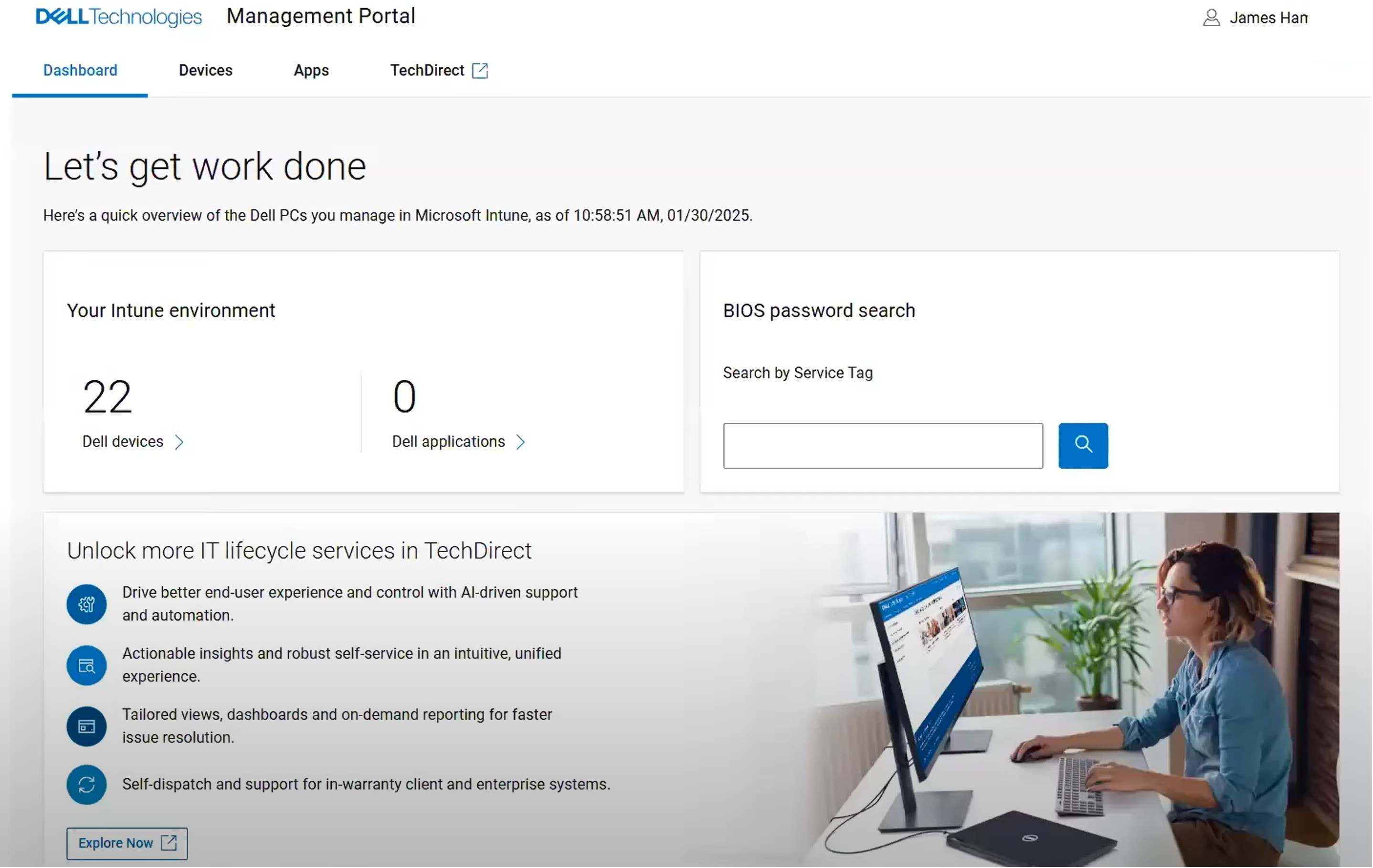
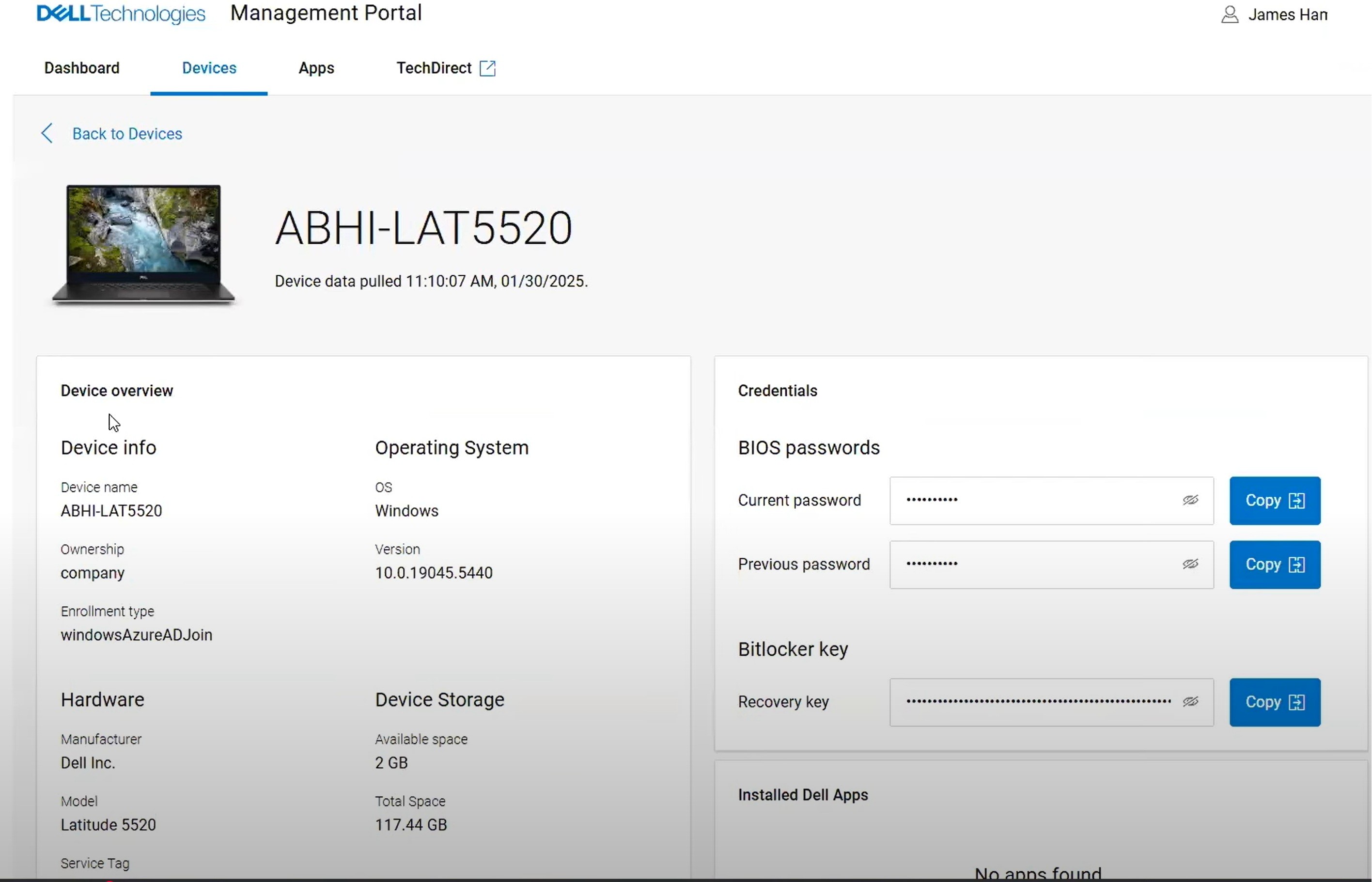
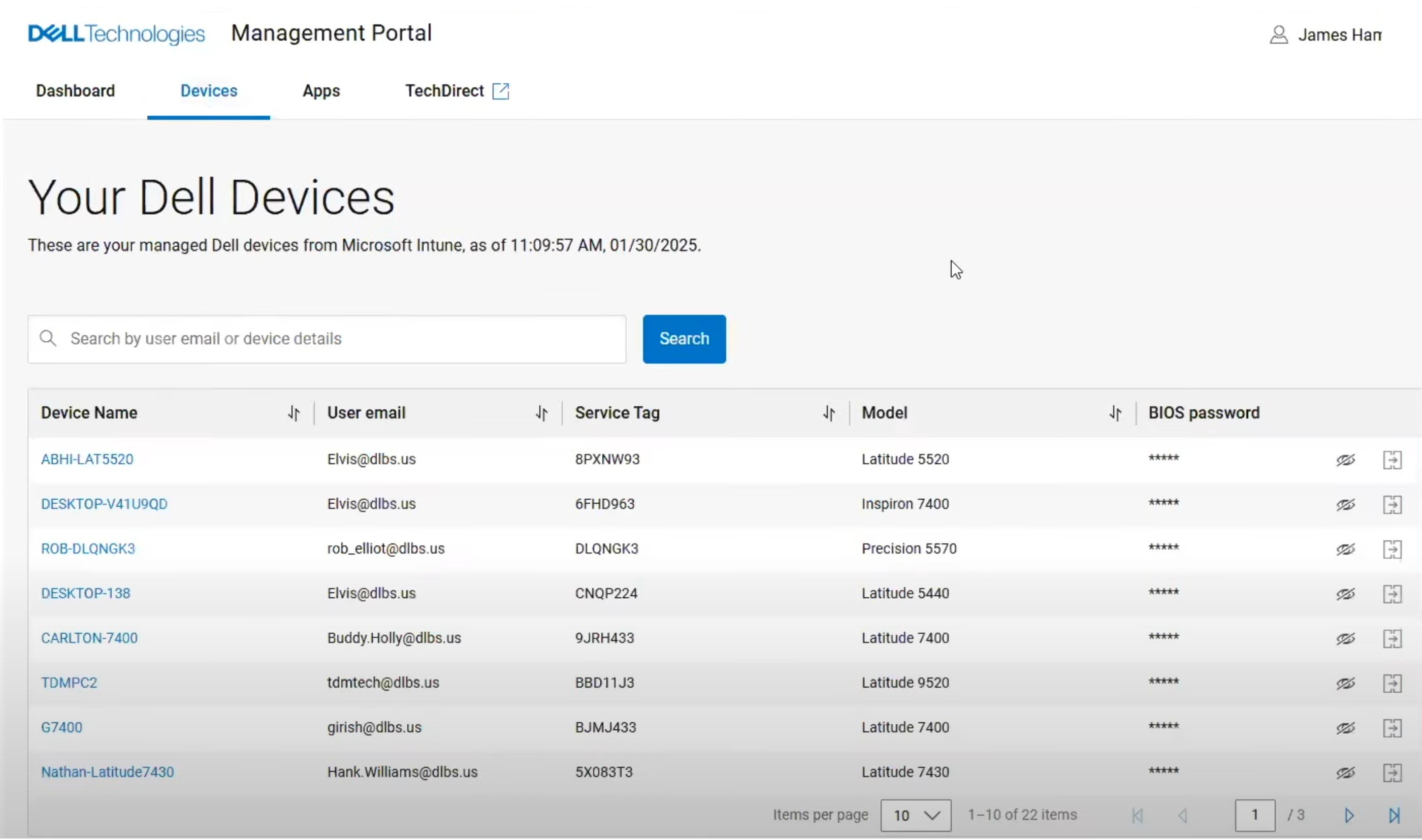
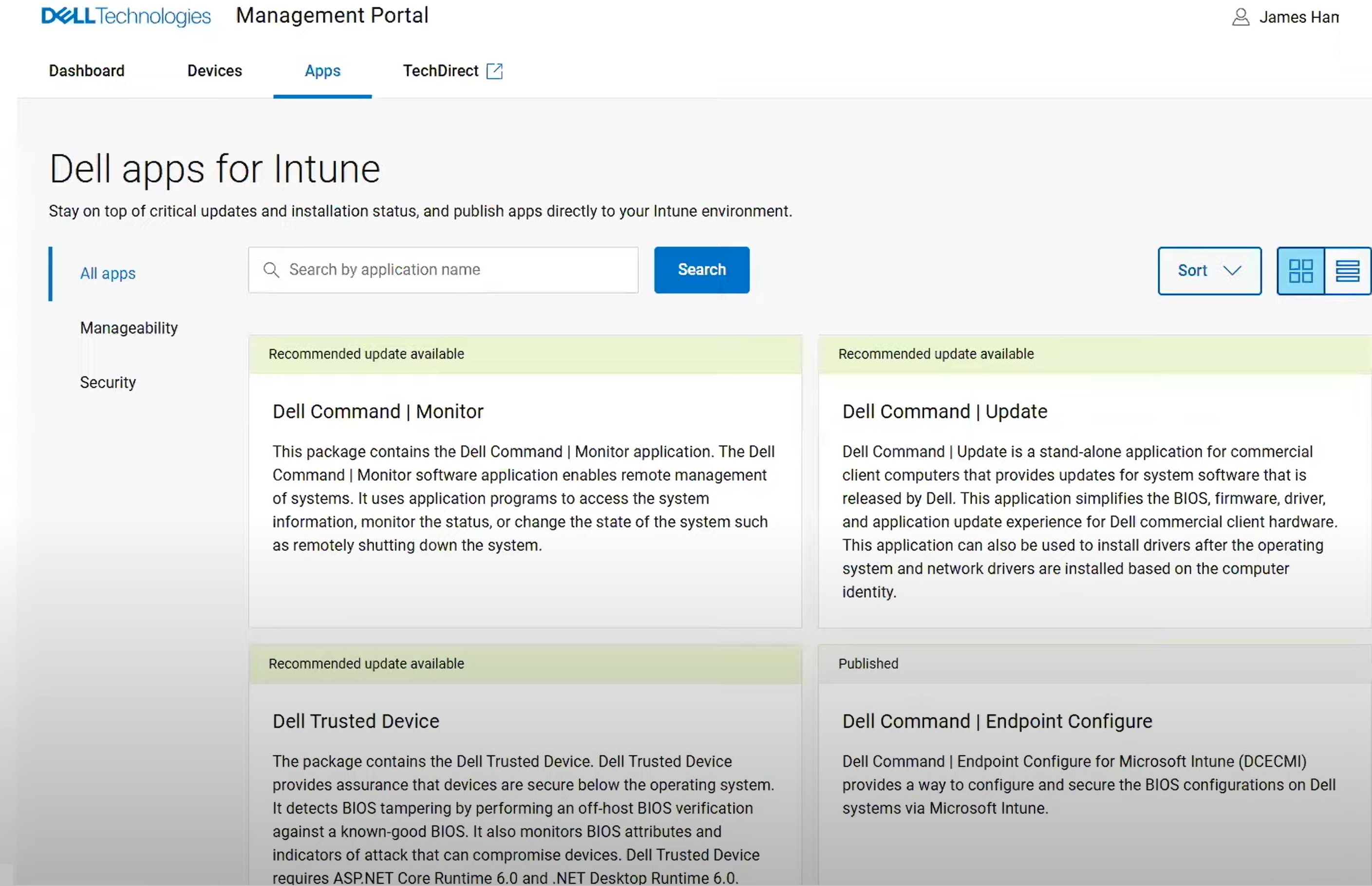
Management Portal - Centralized device management platform
I led the UX strategy for a high-stakes challenge: Creating a unified cloud management platform for enterprise IT teams overseeing millions of Dell devices through Microsoft Intune. What began as a complex integration problem became a masterclass in simplifying the impossible – Dell's Management Portal, now powering 6 million devices, turning complexity into confidence for IT teams worldwide.
Impact & Results
- Product Engagement Score (PES) of 61.7 (Industry avg: 42)
- 8500 unique account visits (~6M devices)
- Monthly Active Accounts (MAA): 2,051
- Unique Visitors (180 days): 12.9K
- BIOS configuration median time: 13 minutes
- Self-resolution shift: Unassisted WO rose to 30%
Leadership Wins
The Setting
The Scale of Complexity
Consider the reality of an enterprise IT administrator: 100,000 devices spread across continents, each requiring security patches, BIOS updates, BitLocker key rotations, and compliance monitoring – all before the quarterly audit. Their tools? A patchwork of disconnected portals, each with separate credentials, inconsistent interfaces, and no single source of truth for their fleet.
The Cost of Disconnection
This wasn't minor friction – it was operational paralysis. Every task demanded switching between systems. Device health data sat isolated from compliance reports, while remote actions lived in yet another dashboard. The mental overhead was eroding productivity, and the security blind spots were creating risks that kept security leaders on edge.
The Stakes
A $150M Test of Trust
Then came the moment that sharpened our focus. Ericsson, evaluating a massive enterprise deal worth $150 million, required a solution that matched their scale. They needed a 'Private Hosting' model – a dedicated instance capable of handling 100,000+ devices without the Graph API timeouts affecting standard tenants. This wasn't merely a design challenge. It was a business imperative with nine-figure consequences.
The Technical Constraint
Large enterprise tenants were encountering an invisible ceiling. Microsoft's Graph API would timeout when syncing device data for fleets exceeding 100,000 units. Users faced endless loading states while the system buckled under scale. The experience collapsed precisely when performance mattered most. We needed to engineer solutions around limitations that weren't ours to control.
The Turning Point
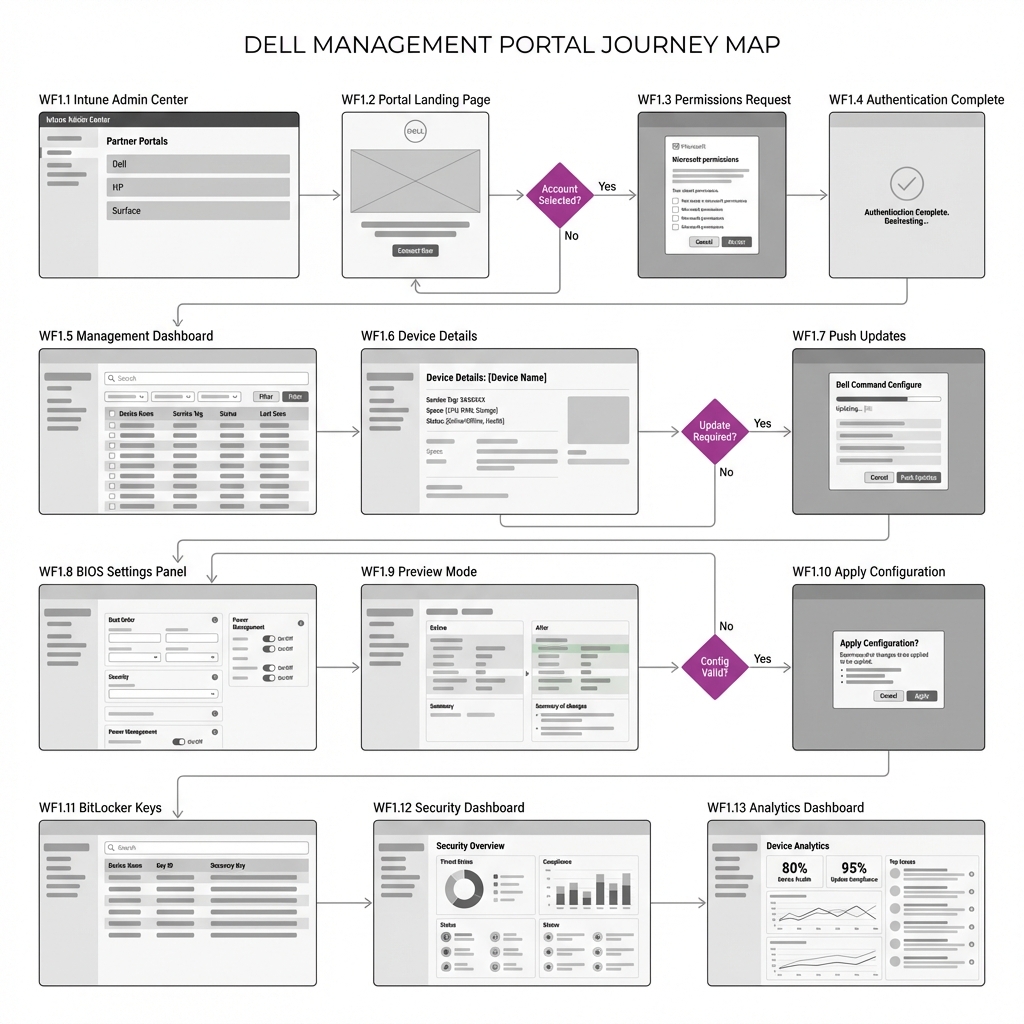
The BIOS Breakthrough
The first major victory emerged with the BIOS Configuration Editor. Previously, updating BIOS settings across a fleet meant downloading separate utilities, creating configuration packages, testing locally, then deploying through Intune – a multi-hour, error-prone ordeal. We embedded the entire workflow directly into the portal. Point, click, configure, deploy. What once consumed hours now completed in 13 minutes.
Clarity as a Design Principle
Every design decision passed through a single filter: 'Does this lighten the mental load for an IT admin working under pressure?' That question shaped everything – from information hierarchy to progressive disclosure of advanced settings. We designed for the administrator responding to a 2 AM incident, not just one with leisure to explore.
Pro AI Studio Integration
Looking ahead, we integrated with Dell's Pro AI Studio, enabling administrators to manage AI models and workloads as naturally as traditional device configurations. This wasn't simply about addressing current needs – it was about architecting a platform that would evolve alongside enterprise demands.
The Resolution
The transformation delivered results that surpassed expectations and validated our human-centered methodology:
- Product Experience Score of 61.7 – 47% above industry average of 42
- 8,500+ unique account visits managing approximately 6 million devices
- Over 12,900 unique visitors in the first 180 days
- Monthly Active Accounts (MAA) stabilized at 2,051
- Self-service work orders rose to 30%, reducing support dependency
- BIOS configuration median time: Just 13 minutes end-to-end
- Successfully secured the Ericsson deal with custom Private Hosting solution